Can Fotona 4D Laser Facial (TimeWalker) Improve Texture and Tone in Encino, CA?
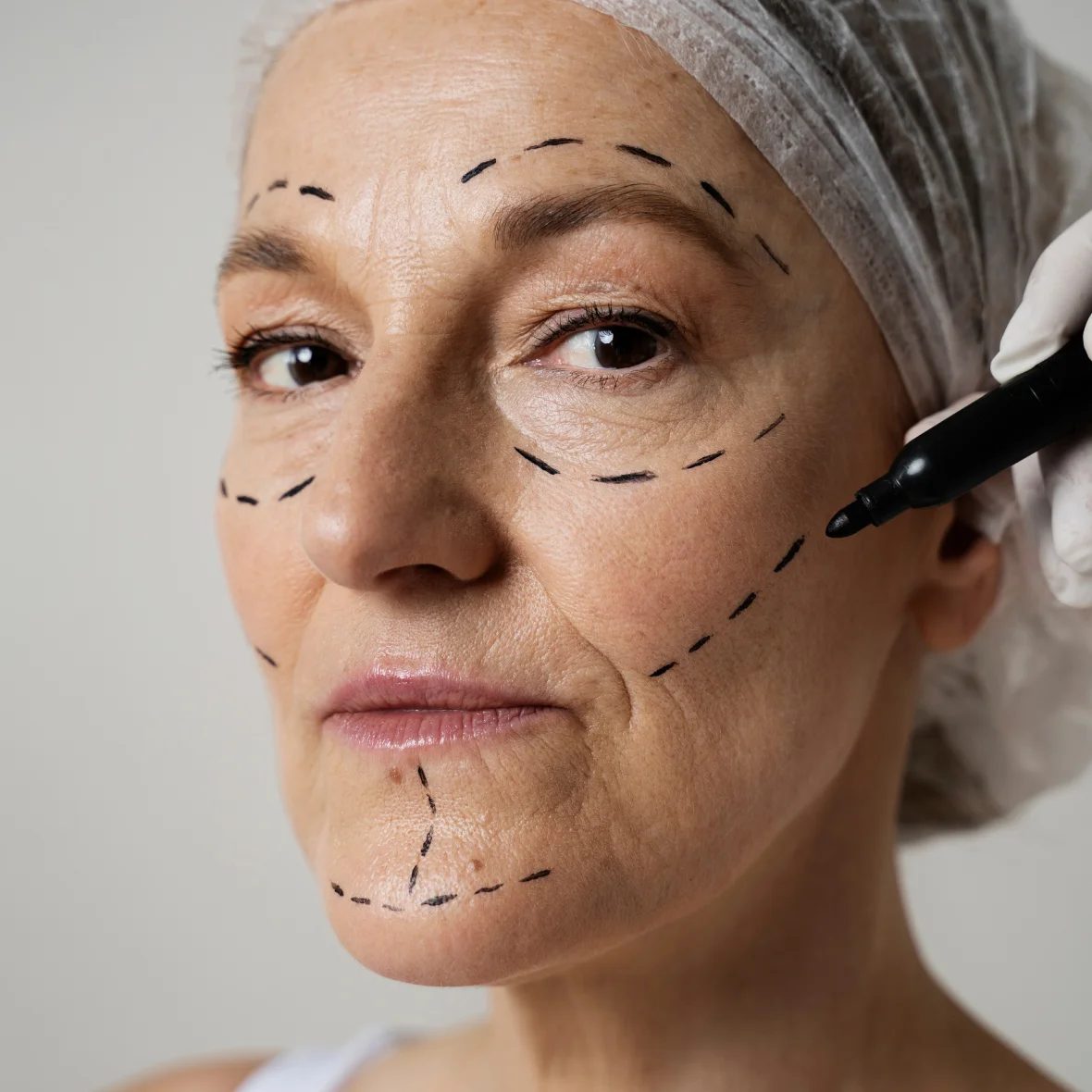
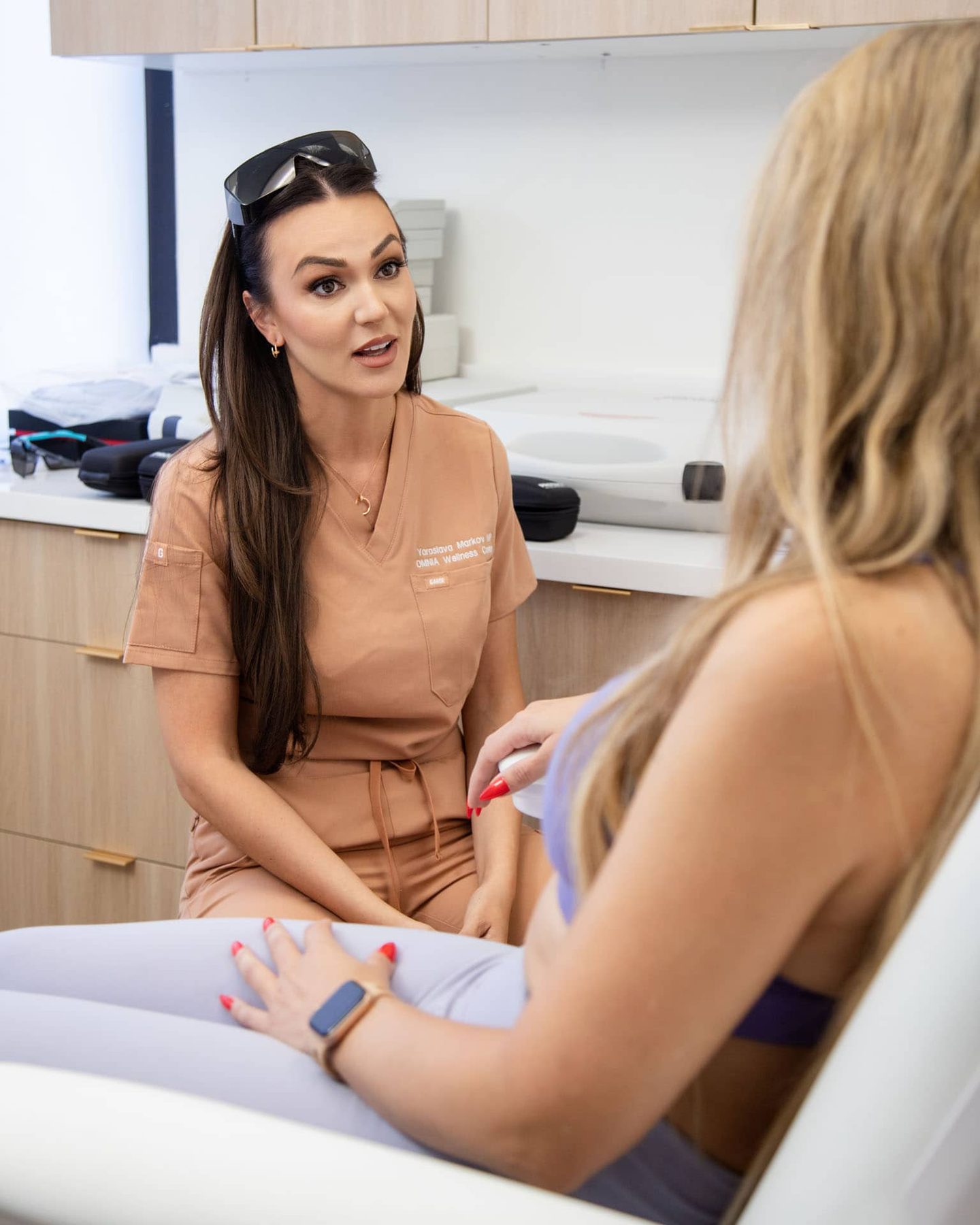
Skin texture and skin tone are two of the most common concerns I hear from patients considering non-surgical rejuvenation. Not deep facelifts, not dramatic overhauls, just a face that looks smoother, more even, and a little more rested in regular daylight. That distinction matters, because the best treatments for texture and tone are not always the same treatments people need for sagging skin, volume loss, or pronounced scarring.
Fotona 4D, often associated with the TimeWalker platform, sits in an interesting middle ground. It is not a one-note laser session aimed at a single problem. It is designed as a layered treatment approach that targets the skin from both inside the mouth and across the external facial surface, using different modes to address laxity, surface irregularity, and overall skin quality. For patients asking whether a Fotona 4D Laser Facial (TimeWalker) Encino, CA can improve texture and tone, the short answer is yes, often noticeably, but the nuance matters more than the headline.
Results depend on the starting point. A patient with mild roughness, enlarged pores, early crepiness, and patchy dullness is very different from someone with deeper acne scars, melasma, or years of sun damage. The treatment can be genuinely useful, but it is not a magic wand, and setting the right expectations upfront is what separates a good experience from a disappointing one.
What texture and tone actually mean in a treatment room
People often use these words interchangeably, but they describe different problems.
Texture refers to how the skin feels and reflects light. Roughness, enlarged pores, fine lines, crepey patches, and shallow acne scarring all fall into that category. Texture issues show up when makeup catches, when sunscreen pills, or when skin looks uneven even without visible discoloration.
Tone is more about color and visual uniformity. Redness, blotchiness, post-inflammatory marks, and general dullness can make skin look tired or older than it is. Tone can also be complicated by pigment disorders, and that is where treatment planning needs more care.
Fotona 4D can help with both, but not always in equal measure. In my experience, texture improvements tend to be the most satisfying and predictable early win. Tone often improves as the skin surface becomes smoother and healthier looking, yet certain pigment issues may need a different laser, a topical program, or strict seasonal timing to be treated safely and effectively.
Why Fotona 4D gets attention for facial rejuvenation
One reason this treatment has developed such a following is that it combines several laser steps in one session rather than relying on a single pass with one setting. The TimeWalker platform is known for this kind of multi-layered rejuvenation strategy. Instead of treating only the top layer of skin, the protocol can address deeper tissue support, mid-level tightening, and superficial polishing.
The treatment often includes intraoral heating, which sounds unusual until you understand the logic. By treating from inside the mouth, the practitioner can target tissue in the perioral and cheek areas without breaking the outer skin in the same way an ablative treatment might. That can support mild tightening and soften etched lines around the mouth. Then external steps work on overall collagen stimulation and surface refinement.
For the right patient, this layered approach can produce a kind of refreshed look that is hard to attribute to one single change. The pores may appear less obvious. Fine lines can look softer. The skin may reflect light more evenly. Makeup may sit better. Friends may say you look rested without being able to pinpoint why.
That tends to be the sweet spot for Fotona 4D. It usually works best when the goal is improvement, not transformation.
How it can improve texture
Texture changes happen through controlled thermal stimulation and, depending on the settings and handpieces used, varying levels of skin resurfacing. Heat in the dermis can encourage collagen remodeling over time. Surface-level treatment can help smooth roughness and improve the look of pore size. The result is rarely overnight. Skin remodeling is gradual, and the face typically looks better over a series of weeks and with multiple sessions.
This is where patient psychology comes into play. Some people judge a laser by how dramatic they look on day three. That is not always the best metric. A treatment with lower downtime can produce more subtle immediate changes but still generate meaningful gains in skin quality after several weeks.
Patients in Encino often come in with a combination of concerns shaped by Southern California living: cumulative UV exposure, persistent dryness from indoor climate control, makeup and SPF buildup, and early collagen loss that shows up first around the eyes, cheeks, and mouth. In that population, improving texture is usually less about one severe defect and more about reversing a diffuse tiredness in the skin. Fotona 4D can be well suited to that pattern.
That said, shallow acne scarring may improve modestly, while deeper boxcar or ice pick scars generally need more aggressive resurfacing, subcision, microneedling RF, TCA CROSS, or a combination plan. This is one of the most important reality checks in any laser consultation. If the main complaint is true scar remodeling, a Fotona 4D Laser Facial may help quality and blending, but it is not the strongest standalone choice for deeply tethered scars.
How it can improve tone
Tone is trickier because the cause matters. A face can look uneven because of redness, brown discoloration, chronic inflammation, or simply a rough surface scattering light irregularly. When Fotona 4D improves tone, it often does so through a combination of mild resurfacing, healthier turnover, and better overall skin quality.
A practical example: someone with mild sun-induced dullness, patchy post-breakout marks, and a generally uneven finish may notice that after a series of sessions, the skin looks brighter and more uniform. Not bleached, not stripped, just clearer. The visual effect can be substantial even if the actual pigment reduction is moderate.
On the other hand, if the uneven tone is classic melasma, treatment planning gets more delicate. Heat can aggravate melasma in some patients. That does not mean laser treatment is off the table, but it does mean a careful clinician will slow down, ask about prior flares, review topical use, and sometimes stabilize the skin first with pigment-safe skincare before layering in procedures. This is one area where broad promises should make you cautious.
For redness and textural dullness, patients often do quite well. For pigment disorders, the answer is more conditional.
The TimeWalker angle and what patients usually feel during treatment
People often ask whether TimeWalker is just branding. In practical terms, patients care less about the branding than the treatment experience and the consistency of the platform. The TimeWalker system is associated with Fotona’s approach to combining different wavelengths and modes for customized rejuvenation. What matters most is not the marketing language. It is whether the practitioner knows how to tailor the settings to your skin type, your tolerance for downtime, and your actual goals.
During treatment, most people describe the sensation as tolerable heat with intermittent snapping or prickling depending on the stage. The intraoral portion feels strange at first, mainly because it is not a typical facial experience, but many patients find it easier than expected. Topical numbing may be used for some steps, though practices vary. The level of discomfort depends on intensity, treatment area, and your own pain threshold.
Immediately after the appointment, skin may look pink or lightly flushed, sometimes with a sensation similar to a warm windburn. With more superficial resurfacing steps, there may be a dry, sandpapery quality for a few days. This is one reason I tell patients not to schedule their first session right before a wedding, major photo event, or a week where they need perfectly smooth makeup application.
What results tend to look like in real life
The most honest way to describe results is this: the face often looks better in motion and in natural light before it looks dramatic in a magnifying mirror.
That sounds simple, but it matches how good rejuvenation actually works. Patients may first notice that their skin looks less dull when they pass a car mirror at noon, or that foundation settles less around the mouth, or that they can leave the house with tinted SPF instead of full coverage makeup. Those are meaningful results even if no one asks whether they had laser resurfacing.
For mild to moderate texture and tone concerns, a series of treatments is usually more useful than a one-off session. Many practices recommend around three sessions spaced several weeks apart, but protocols vary depending on skin sensitivity, degree of aging, and whether the plan includes complementary treatments. Maintenance is part of the conversation too. Skin keeps aging, UV exposure keeps accumulating, and lifestyle factors keep showing up on the face.
A 42-year-old with early laxity and roughness may have a very different result trajectory than a 58-year-old with advanced photodamage. Both can improve, but not to the same endpoint.
Who tends to be a strong candidate in Encino
Encino patients often want treatments that fit real schedules. They want something effective, but they do not always want a week of obvious social downtime. That is part of why Fotona 4D keeps coming up in consultations. It appeals to people who want visible improvement without jumping immediately to a more aggressive ablative resurfacing plan.
Strong candidates usually include patients with mild to moderate concerns such as uneven texture, enlarged pores, early fine lines, some lower face laxity, and skin that has become dull or less reflective over time. It can be especially appealing for patients who are not ready for injectables in larger volumes or who want laser-based collagen support alongside a conservative injectable plan.
It may be less ideal as a primary treatment for severe skin laxity, deep etched wrinkles, dense pigmentation disorders, or significant acne scarring. In those cases, the laser may still have a role, but usually as one part of a broader treatment strategy rather than the centerpiece.
Questions worth asking before booking
A consultation should feel specific, not generic. If every patient gets the same package regardless of skin type or history, that is a red flag. Good laser care is individualized.
Here are a few practical questions that often reveal the quality of planning:
- What parts of my concern are most likely to improve, texture, tone, laxity, or fine lines?
- How many sessions do you realistically expect I will need?
- What is the expected downtime based on the settings you plan to use?
- Is my discoloration the kind that responds well to this treatment?
- What skincare should I stop or start before treatment?
If a provider answers those questions clearly and without overselling, that is a good sign. If the answers are vague or overly absolute, proceed carefully.
The role of skin type and pigment risk
No laser discussion is complete without talking about skin tone and pigment behavior. A treatment that is straightforward for one patient may need significant adjustment for another. The Fitzpatrick skin type scale is commonly used as a rough guide, but experienced clinicians also pay close attention to a patient’s history of post-inflammatory hyperpigmentation, melasma, sensitivity, and recent sun exposure.
Patients with more pigment-rich skin can often be treated safely, but settings, timing, Fotona 4D Laser Facial (TimeWalker) Encino, CA and pretreatment skincare become more important. This is not the place for a casual, rushed laser appointment. The provider should ask whether you tan easily, whether you have a history of dark marks after irritation, and whether you have used retinoids, exfoliating acids, or photosensitizing medications recently.
In sunny areas like Encino, this matters even more. People often underestimate how much incidental UV exposure they get while driving, walking the dog, or sitting near windows. A laser treatment followed by inconsistent sun protection can blunt results and increase the chance of unwanted pigment changes.
Downtime, aftercare, and the habits that shape the outcome
One of the reasons patients seek a Fotona 4D Laser Facial in Encino, CA is the possibility of balancing efficacy with manageable recovery. Manageable does not mean no recovery. It means you can usually return to routine fairly quickly, but you still need to respect the skin while it heals.
Aftercare often has more influence on outcome than patients expect. Friction, heat, intense workouts, active skincare, and direct sun can all complicate the first few days if the skin is irritated. The basics matter more than fancy post-procedure kits.
A sensible recovery routine usually includes the following:
- Gentle cleansing with lukewarm water, not hot water.
- Plain moisturizer that supports the skin barrier without heavy fragrance or strong acids.
- Consistent mineral or physician-recommended sunscreen once appropriate after treatment.
- Temporary pause on retinoids, scrubs, and aggressive actives until the skin settles.
- Patience with roughness or flaking instead of picking or over-exfoliating.
The patients who do best are often not the ones who spend the most money on products. They are the ones who leave the skin alone long enough to recover properly.
How Fotona 4D compares with other options for texture and tone
This is where judgment matters. No device is best for every concern.
If a patient wants the most dramatic improvement in severe textural damage and accepts significant downtime, a stronger ablative resurfacing treatment may outperform Fotona 4D. If the main issue is diffuse redness, a vascular laser or light-based treatment may be more direct. If there is prominent volume loss in the cheeks or temples, no laser will replace what structural support from filler can do. If the complaint is fine wrinkling with laxity, combining laser with biostimulatory injectables or neuromodulators may produce a more complete result.
Where Fotona 4D often shines is in the patient who wants layered, moderate rejuvenation with an emphasis on skin quality and collagen stimulation rather than a single dramatic intervention. It can also fit well into maintenance for patients who already take good care of their skin and want to preserve a fresher look over time.
I have seen patients choose it after realizing that what bothered them was not one deep fold, but the general loss of smoothness and brightness that made them look more tired. Those are exactly the cases where a well-executed multi-step laser approach can be satisfying.
Cost, value, and what “worth it” really means
Pricing varies by market, provider experience, practice overhead, and the exact protocol used. In areas like Encino, treatment costs can sit on the higher side of the national range simply because aesthetic medicine in Los Angeles has a premium attached to it. The important question is not whether the treatment is cheap or expensive. It is whether the result matches the indication.
A treatment is worth it when the provider chooses it for the right reason, not because it happens to be the newest menu item. If your main concern is roughness, enlarged pores, and early lines, a Fotona 4D Laser Facial may offer good value because it addresses several dimensions at once. If your main concern is heavy jowling or severe melasma, spending money on this first may not be the best use of your budget.
Patients do best when they ask, “What is the smartest first step for my face?” rather than “What is the hottest treatment right now?” Those are not always the same thing.
What to look for in an Encino provider
Technique influences outcome as much as technology does. The same platform can produce very different experiences depending on the operator’s training, restraint, and ability to customize.
Look for someone who evaluates your skin in plain language, discusses alternatives, and explains why this laser is or is not a good fit. Ask about experience treating your skin type. Ask to see before-and-after examples that resemble your concern, not just the most dramatic results in the photo library. Pay attention to whether the practice talks honestly about maintenance, because any office promising permanent reversal of aging is not speaking carefully.
A strong consultation often feels almost conservative. The provider points out what the laser can improve, what it probably will not change enough, and where a combined approach may make more sense.
So, can it improve texture and tone?
For many patients, yes. A Fotona 4D Laser Facial (TimeWalker) Encino, CA can improve skin texture by smoothing roughness, softening fine lines, refining the look of pores, and supporting collagen remodeling. It can also improve tone by brightening dull skin and making the complexion appear more even, especially when unevenness is tied to surface quality and mild discoloration rather than a more complex pigment disorder.
The best candidates are usually those with mild to moderate signs of aging who want visible, polished improvement without the heavier downtime of more aggressive resurfacing. The less ideal candidates are those expecting a surgical-level lift, full correction of deeper scars, or simple treatment of stubborn pigment conditions without a broader skin plan.
When chosen thoughtfully and performed well, Fotona 4D often delivers the kind of result patients actually want: skin that looks smoother, clearer, and more refreshed without advertising exactly how it got there.
OMNIA Wellness Center
16430 Ventura Blvd Ste 207, Encino, CA 91436
Phone: +1 818-386-8511
FAQ About Fotona 4D Laser Facial (TimeWalker) Encino, CA
What is a Fotona laser good for?
Fotona lasers support several different aesthetic protocols. The Fotona 4D facial uses two wavelengths and four treatment modes to address concerns such as fine lines, skin texture, and mild laxity. OMNIA Wellness Center offers the TimeWalker facial with an individual consultation. Suitability and likely improvement depend on the person's skin and goals; results are not guaranteed, and this treatment does not reproduce a surgical facelift.
How much does a Fotona laser treatment cost?
The cost depends on the treatment protocol, areas treated, number of sessions, and provider's assessment. Ask OMNIA Wellness Center for a current written quote that explains what is included, whether follow-up is included, and any proposed package terms. An individualized estimate is more useful than assuming that one advertised price applies to every facial treatment.
How much downtime is there after a Fotona laser procedure?
Recovery varies with the specific protocol and intensity. Fotona describes its 4D facial as having little to no downtime, but temporary redness or sensitivity can occur, and a stronger surface treatment can require more recovery. Ask the treating clinician what to expect from the planned settings, how to care for the skin afterward, and when to contact the clinic with concerns.